 The Field Guideby Moss & MarrowThe Field Guideby Moss & Marrow
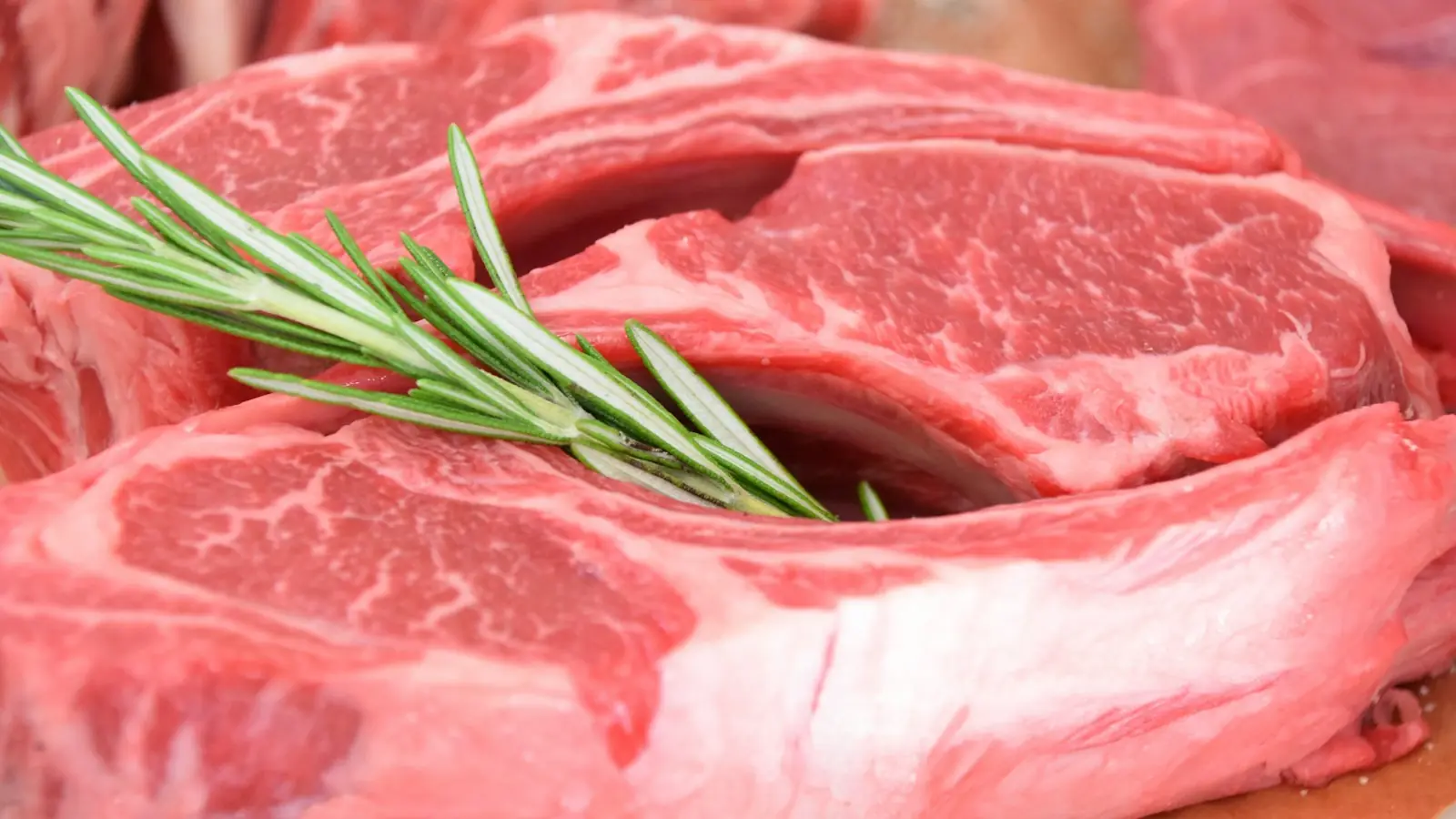
Also called kalf, rosé kalfsvlees.
Rosé veal is available all year from Dutch producers. Rosé veal is sold all year.
Veal from dairy farms' own bull calves, raised on milk and grass to eight months or more, is sold all year by a few farms in the guide.
Rosé veal is pink, not white, because the calves eat roughage and move around.
Protein, vitamin B12, zinc, niacin and iron; rosé veal from calves on roughage has more iron than white veal.
To get the most: Veal bones make the classic gelatinous stock. The liver, if offered, is dense in vitamin A, B12 and copper.
Content per NEVO, the Dutch food composition database. This describes what the food contains, not what it does for you.
Treat it like young beef: braise the shin, roast the loin pink.
Bones and knuckle make the classic stock; shin becomes osso buco. Ask for the liver and sweetbreads.
4 producers in The Field Guide sell rosé veal, each checked against our inclusion criteria and listed by province.
Open on the map →Dates read on 2026-10-11. If a window on this page is wrong, tell us with a source.
 guideWhy choose local and seasonal food?Food picked ripe in its own season carries more vitamins, travels days instead of weeks and keeps good farms in business. Twelve reasons, with the evidence.Read the guide →
A free list of what’s in season this month, then one slow email a month with seasonal tips and goodies.