 The Field Guideby Moss & MarrowThe Field Guideby Moss & Marrow
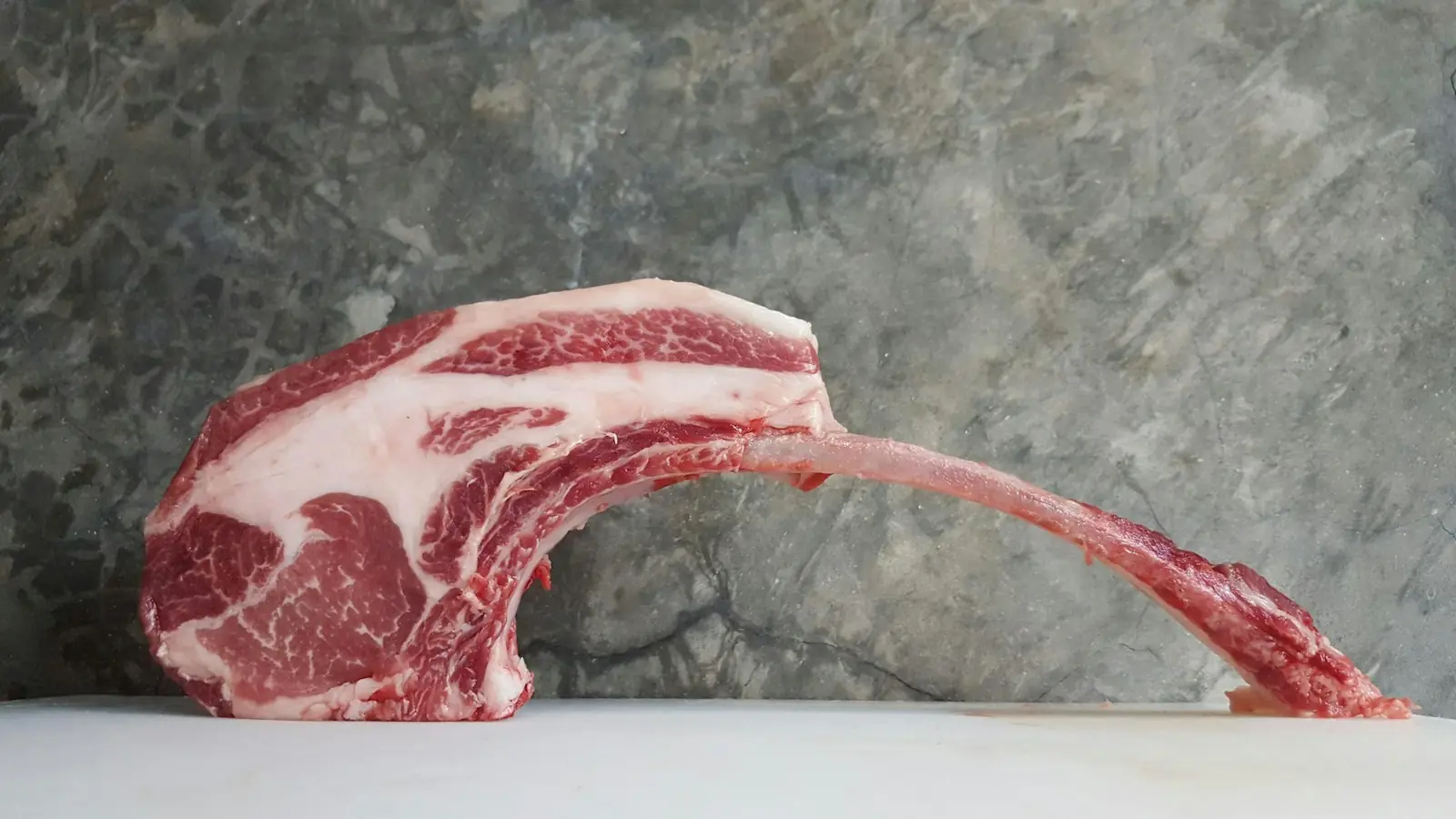
Also called lam, lammeren.
In the Netherlands, lamb is in season June to December, at its best in September, October and November. Lamb is in season now, in November, and this is the peak.
Dutch lambs are born from January to April and reach slaughter weight from early summer, so farm lamb is an autumn and early-winter product. Spring lamb sold around Easter is young milk lamb. Most small farms sell lamb as a package to order, a few times a year.
Grass-fed lamb from the farm is darker and leaner than supermarket lamb, which is mostly imported. Ask when the next lambs go.
Protein, zinc, iron (haem, well absorbed), vitamin B12 and selenium; grass-fed lamb carries more omega-3 than grain-finished.
To get the most: The iron and zinc survive any cooking. Keep the bones for stock, which draws out collagen, glycine and minerals the muscle meat lacks.
On our nutrient density chart, a normal serving of ground lamb (125 g) gives more than a day's vitamin B12 and about three-quarters of a day's zinc, counting what your body absorbs. Its heme iron is absorbed in full.
Content per NEVO, the Dutch food composition database. This describes what the food contains, not what it does for you.
Slow-roast shoulder for four hours; grill chops hot and fast. Keep the bones for stock.
Ask for the bones, neck, shanks and liver with your package. Bones make a strong stock; neck and shank are the best slow cuts.
16 producers in The Field Guide sell lamb, each checked against our inclusion criteria and listed by province.
Open on the map →visited by moss & marrowFarm · AssenBeef, lamb, goat, turkey · bones · organ meats · bone brothDates read on 2026-10-12. If a window on this page is wrong, tell us with a source.
 guideWhy choose local and seasonal food?Food picked ripe in its own season carries more vitamins, travels days instead of weeks and keeps good farms in business. Twelve reasons, with the evidence.Read the guide →
A free list of what’s in season this month, then one slow email a month with seasonal tips and goodies.