 The Field Guideby Moss & MarrowThe Field Guideby Moss & Marrow
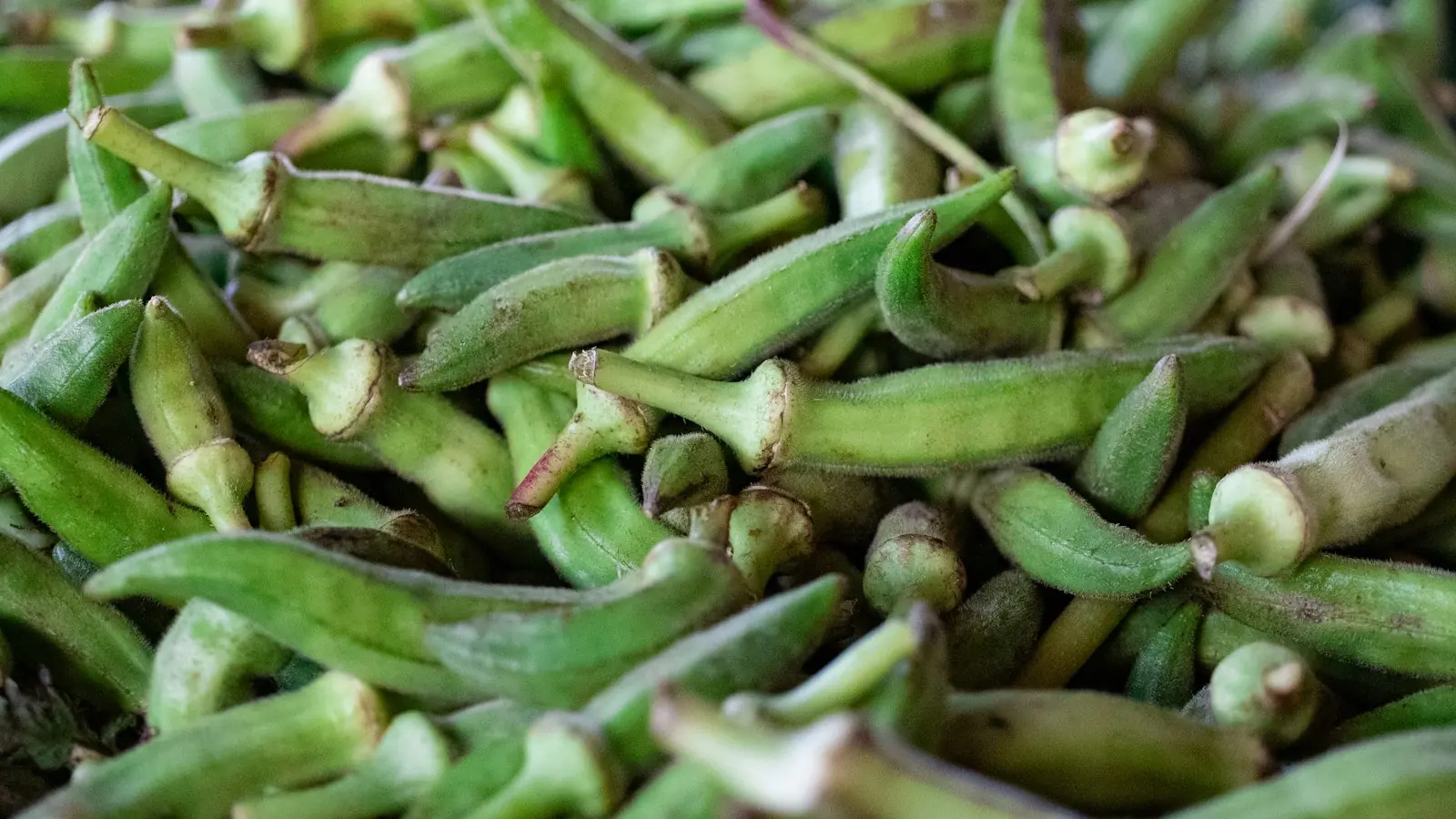
Also called tuinbonen.
In the Netherlands, broad beans are in season June to July, at their best in June. November is outside the Dutch season for broad beans.
Dutch broad beans are picked in June and July. They are a traditional early-summer vegetable here, eaten with savory, bonenkruid.
Choose smaller, fuller pods; large pods hold mealy beans.
Protein, fibre, folate and manganese. Among the richest common vegetables in plant protein.
To get the most: The skins hold much of the fibre; young beans can be eaten skin and all. People with G6PD deficiency should avoid broad beans.
On our nutrient density chart, a normal serving of broad beans (170 g) gives about a third of a day's folate and about a fifth of a day's potassium, counting what your body absorbs. Phytates lock away part of the iron and zinc, and the score counts that.
Content per NEVO, the Dutch food composition database. This describes what the food contains, not what it does for you.
Pod, boil for three to five minutes, then slip the beans out of their grey skins. Young ones can be eaten skin and all.
The pods make a stock; very young pods can be sliced and cooked whole. Skins slipped off older beans can go in too.
11 producers in The Field Guide sell broad beans, according to their own website or shop list, each checked against our inclusion criteria and listed by province. Another 167 growers passed our bar for this food group; we have not yet recorded what each of them grows, so ask them or search the map.
Open on the map →Dates read on 2026-10-12. If a window on this page is wrong, tell us with a source.
 guideWhy choose local and seasonal food?Food picked ripe in its own season carries more vitamins, travels days instead of weeks and keeps good farms in business. Twelve reasons, with the evidence.Read the guide →
A free list of what’s in season this month, then one slow email a month with seasonal tips and goodies.