 The Field Guideby Moss & MarrowThe Field Guideby Moss & Marrow
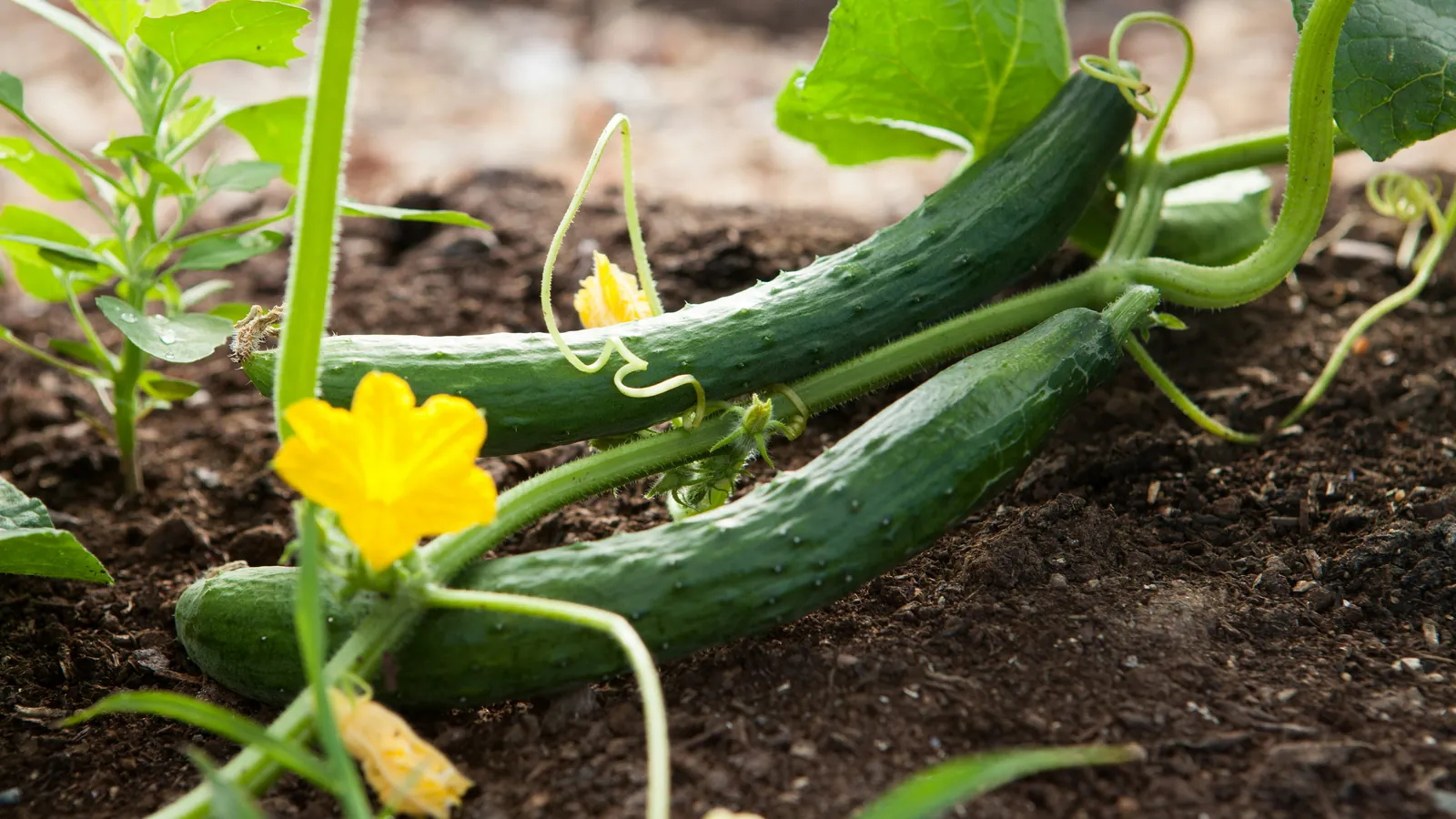
This page is The Field Guide's list of growers in the Netherlands selling their own vegetables and fruit grown without synthetic pesticides or fertiliser, each one checked by us and grouped by province. Vegetables, fruit, herbs and mushrooms are on this page when they are grown by the producer and sold direct, from a farm shop, stall, pick-your-own field, CSA or market stall, and the grower is certified organic or Demeter or states that it uses no synthetic pesticides or fertiliser. Integrated or reduced spraying, PlanetProof and conventional growing aren't included, and growers who don't say either way are asked first.
We judge plants on how the land is farmed because synthetic sprays go onto the crop itself, and because pesticides and monocrops wear down soil and harm pollinators.
178 producers · every one checked against our inclusion criteria
Open on the map →178 producers across 5 provinces, most of them in Gelderland (73), Utrecht (59) and Noord-Holland (25). Each entry opens the producer's own page with what we checked, when we checked it, opening hours and how to buy; the names are listed by province, town by town, and the map lets you search the same list by postcode.
visited by moss & marrowFarm · DoorwerthBeef · cow's milk, butter, cheese · bones & organ meats · veg & fruit · bread & grainvisited by moss & marrowFood forest · EdeVeg & fruitvisited by moss & marrowFood forest · WageningenVeg & fruitvisited by moss & marrowFarm shop · WageningenVeg & fruit · mushroomsvisited by moss & marrowFarm · WageningenVeg & fruitBiologisch (organic) is a protected term under EU Regulation 2018/848: the crops are grown without synthetic pesticides or synthetic fertiliser and without GMOs, and the farm is inspected every year. In the Netherlands the certificate is checked by SKAL, and EKO and Demeter growers are certified organic too. The certified organic filter shows the growers we found in the EU organic register.
Certified organic growers may use a limited list of approved natural substances to protect their crops, but no synthetic pesticides. That is why we don't describe produce as pesticide-free or unsprayed. Every grower on our vegetables and fruit page is certified organic or Demeter, or states that it uses no synthetic pesticides or fertiliser. Organic status explained.
It means the grower states in its own words that it uses no synthetic pesticides or synthetic fertiliser, but holds no organic certificate, which would mean an annual inspection and yearly fees. The listing quotes the grower's own statement. Because biologisch is a protected term, we never call these growers organic without "methods" and "not certified". How we show organic status.
No. PlanetProof is a Dutch sustainability label that allows synthetic pesticides and fertiliser within its own limits, so it isn't organic. On our map it isn't part of any organic filter, and produce grown under PlanetProof isn't included in the Field Guide unless the grower is also certified organic or states that it uses no synthetic pesticides or fertiliser. Organic status explained.
Onbespoten means unsprayed: the grower says no pesticides were used on the crop. It is the grower's own description, not a certification, and it says nothing about fertiliser. We include growers who state that they use no synthetic pesticides or fertiliser, so for an onbespoten grower we look for what it says about fertiliser too, or ask. What we accept as evidence.
Pick-your-own farms and pluktuinen (pick-your-own gardens) let you harvest strawberries, berries, apples, pumpkins or vegetables yourself and pay for what you pick, mostly from late spring to autumn. Pick-your-own growers are on our vegetables and fruit page when they use no synthetic pesticides or fertiliser, certified or stated. Check the grower's website before you go, because picking depends on the weather and the crop.
In winter Dutch growers harvest kale (boerenkool), leeks, Brussels sprouts, cabbages, parsnips, salsify (schorseneren) and Jerusalem artichokes (aardpeer), and sell stored crops such as potatoes, onions, carrots, beetroot, celeriac, pumpkins and apples. Several of these are known as vergeten groenten (forgotten vegetables). Growers on our vegetables and fruit page sell what they grow, so what is on offer follows the season.
Dutch white asparagus (asperges) is harvested in spring, and by tradition the harvest ends on 24 June, Saint John's Day, after which the plants are left to grow so they can build up strength for the next year. Limburg and Brabant are the best-known growing areas. Asparagus is included in the Field Guide like any other vegetable, when the grower is certified organic or states that it uses no synthetic pesticides or fertiliser. Vegetables and fruit on the map.
Not always, because some farm shops and stalls sell produce bought in from wholesalers next to their own. In the Field Guide, vegetables and fruit are included only when the producer grows them and sells them direct, from a farm shop, stall, pick-your-own, CSA or market stall. Resold produce with no traceable source isn't shown on the listing at all. Our criteria per product.
Vegetables, fruit, herbs and mushrooms are included when the producer grows them and sells them direct, and is certified organic or Demeter or states that it uses no synthetic pesticides or fertiliser. Integrated or reduced spraying and conventional growing aren't included, and nor is produce sold only to shops and wholesalers. Growers who don't say either way are asked, and listed once they confirm. Full criteria.
No. No genetically modified crops are grown in the Netherlands, and the only GM crop allowed to be grown in the EU is one maize variety, grown in Spain and Portugal. That is why the Field Guide has no GMO check for fruit and vegetables and looks at synthetic pesticides and fertiliser instead. Our criteria for fruit and vegetables.
Demeter is the international biodynamic standard. A Demeter grower is certified organic and goes further: the whole farm is converted, and the soil is fed with biodynamic compost and field preparations. Demeter growers also get the solid extra-mile mark (what's this?) on our map. The biodynamic filter shows the growers we found in Demeter's register.