 The Field Guideby Moss & MarrowThe Field Guideby Moss & Marrow
This page is The Field Guide's list of fishers, fish farms and fishmongers in the Netherlands that name the species, origin and catch method, each one checked by us and grouped by province. Fish and shellfish are on this page when the seller states the species, where it was caught or farmed and how, and the species is green in the VISwijzer, MSC-certified when wild, ASC-certified or organic when farmed, or farmed mussels and oysters. Species red in the VISwijzer, eel included, and fish with no stated origin or method aren't included. A fishmonger's listing names only the species that qualify.
Fish caught with low-damage gear from stocks that aren't overfished leave the sea able to restock; mussels and oysters filter their food from the water and need no feed.
16 producers · every one checked against our inclusion criteria
Open on the map →16 producers across 4 provinces, most of them in Noord-Holland (6), Zuid-Holland (5) and Utrecht (4). Each entry opens the producer's own page with what we checked, when we checked it, opening hours and how to buy; the names are listed by province, town by town, and the map lets you search the same list by postcode.
The VISwijzer is the Dutch sustainable fish guide published by the Good Fish foundation. It rates each species by where it was caught or farmed and how, in green, orange or red, so the same species can be green from one fishery and red (liever niet, better not) from another. In the Field Guide, wild fish rated green in the VISwijzer for its stated origin and method is included. Our criteria for fish.
MSC (Marine Stewardship Council) is the blue label for wild-caught fish and shellfish from fisheries certified against its standard for fish stocks, impact on the sea and management. ASC (Aquaculture Stewardship Council) is the label for farmed fish and shellfish. In the Field Guide, wild fish with MSC and farmed fish with ASC are included when the seller also names the species, origin and method. Criteria for fish.
It depends on the species, the sea area and the fishing gear, which is why the VISwijzer rates each combination separately. Fish in the Field Guide is VISwijzer green, MSC-certified, ASC or organic if farmed, or farmed mussels and oysters, and the seller always states where and how it was caught. Each listing names the species that meet these criteria. Fish and shellfish on the map.
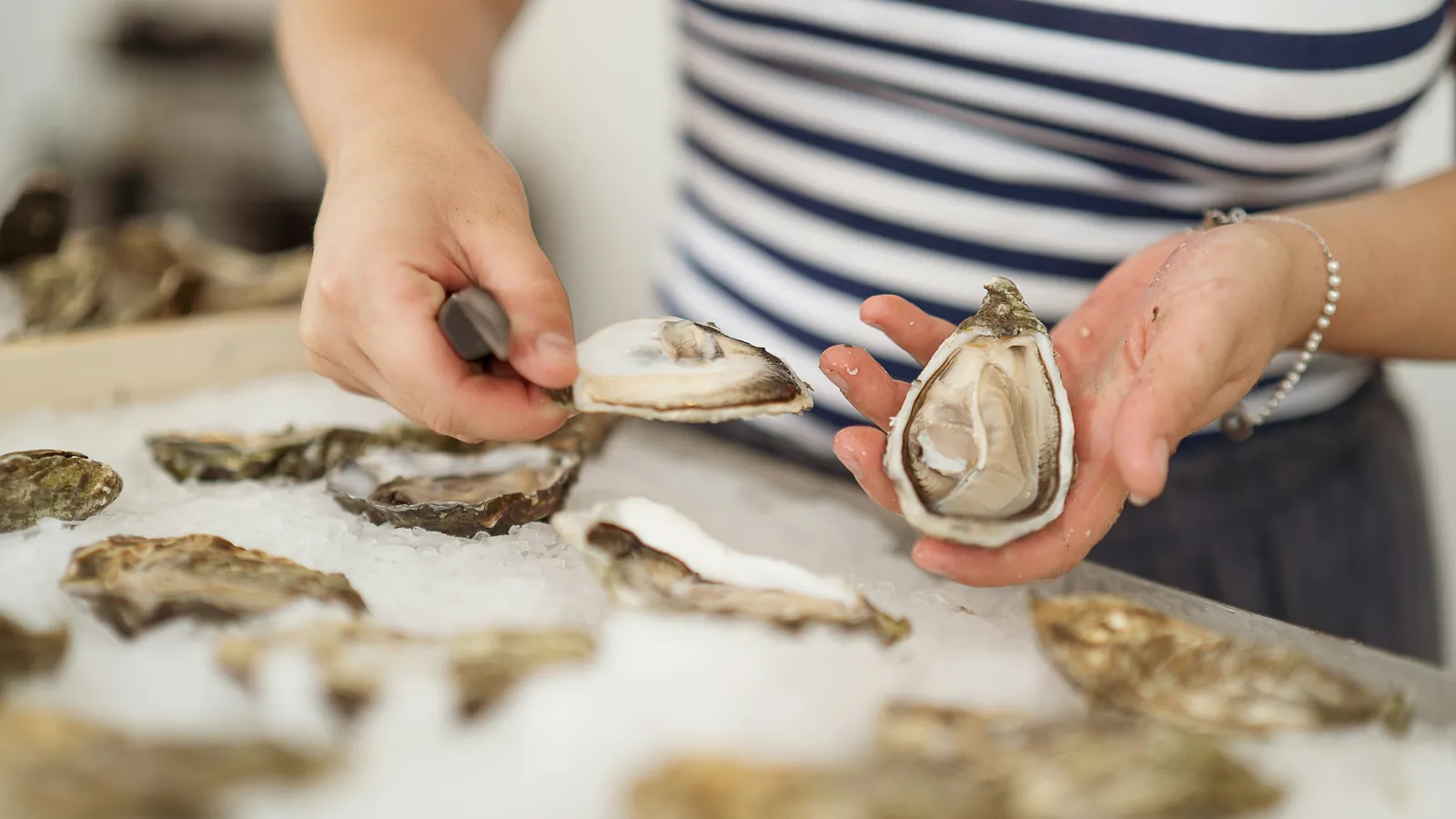
Yes. Zeeland mussels (Zeeuwse mosselen) are farmed in the Oosterschelde and the Wadden Sea: young mussels are laid on plots on the seabed, or hung on ropes, and harvested once grown, with Yerseke as the centre of the trade. Farmed mussels and oysters filter their food from the water and need no feed, so they are included in the Field Guide when the seller names where they were grown. Fish and shellfish.
The season for Zeeland mussels traditionally opens in July and runs into the following spring. Ask where they were grown if the label doesn't say. Our listings name the shellfish each seller offers and where it comes from, and the open now filter shows who you can visit today.
Staandwant is set-net fishing: nets anchored on or near the seabed that fish catch themselves in, usually close to the coast. Other Dutch gear words you will see are boomkor (beam trawl, nets dragged over the seabed), hengel or lijn (rod or line) and fuik (fyke net, a trap net). The VISwijzer rates a species differently depending on the gear, so we record the method for every fish on a listing. Criteria for fish.
The European eel is critically endangered and red (liever niet) in the VISwijzer, so eel isn't included in the Field Guide, including smoked eel from a local smokehouse. The same goes for every species rated red for its origin and method. A fishmonger that also sells eel can still be listed for its other fish, but the listing names only the species that meet our criteria. Criteria for fish.
A fishmonger is included when at least one species it sells meets our criteria and it names where that fish comes from and how it was caught or farmed. The listing names only those species, for example mussels and oysters, and adds "Also sells: other fish and seafood (unverified)" for the rest of the range, which we haven't checked. Labels on a listing.
Herring (haring), including Hollandse Nieuwe, is included when the seller states where and how it was caught and it is MSC-certified or green in the VISwijzer for that fishery. A seller that doesn't say where its herring comes from isn't listed for herring until it tells us. Ask the seller which fishery the herring comes from. Fish and shellfish on the map.
Imported farmed fish, salmon included, is included only with ASC or organic certification (EU organic or Naturland, checked in the register), and only when the seller names the farm's country and method. Imported farmed fish without either certificate isn't included. Farmed mussels and oysters are the exception to the certificate rule, because they need no feed. Our criteria for fish.
Some Dutch fishers and shellfish farmers sell their own catch or harvest direct, at the harbour, from a shop at the farm or at markets. These are the strongest fits for our criteria. Each listing names the species, where it was caught or grown and the method, and says how to buy where the seller publishes it. Fishers, fish farms and fishmongers.
For every species, we check that the seller states the species, where it was caught or farmed and how. It must then be VISwijzer green, MSC-certified if wild, ASC or certified organic if farmed, or farmed mussels and oysters. Species without a stated origin or method, VISwijzer red species and uncertified imported farmed fish aren't included. Full criteria per product.