 The Field Guideby Moss & MarrowThe Field Guideby Moss & Marrow
This page is The Field Guide's list of makers in the Netherlands of ferments, bone broth and traditional fats who name the farms behind their ingredients, each one checked by us and grouped by province. This page lists small producers who make their own sauerkraut, kombucha, kefir and other ferments and sell them direct or at markets, along with bone broth, lard and tallow from animals that meet our meat criteria. Cafés, caterers and makers who only run workshops aren't included. Where a maker calls its ingredients organic, we look the claim up in the register.
A ferment sold unpasteurised and kept cold still carries its live cultures, which heating would stop, and fermentation breaks down part of the compounds in vegetables and pulses that bind minerals.
20 producers · every one checked against our inclusion criteria
Open on the map →20 producers across 5 provinces, most of them in Noord-Holland (5), Gelderland (5) and Utrecht (5). Each entry opens the producer's own page with what we checked, when we checked it, opening hours and how to buy; the names are listed by province, town by town, and the map lets you search the same list by postcode.
visited by moss & marrowFermenter · AmsterdamTraditional fermentsvisited by moss & marrowFarm · AssenBeef, lamb, goat, turkey · bones · organ meats · bone brothOngepasteuriseerd means unpasteurised: the sauerkraut (zuurkool) was not heated after fermenting, so it still contains the live lactic acid bacteria that soured it. That is why unpasteurised sauerkraut is sold from the fridge and keeps fermenting slowly in the jar. Zuurkool in jars and tins on an ordinary supermarket shelf has been heated to make it keep at room temperature. Ferments on the map.
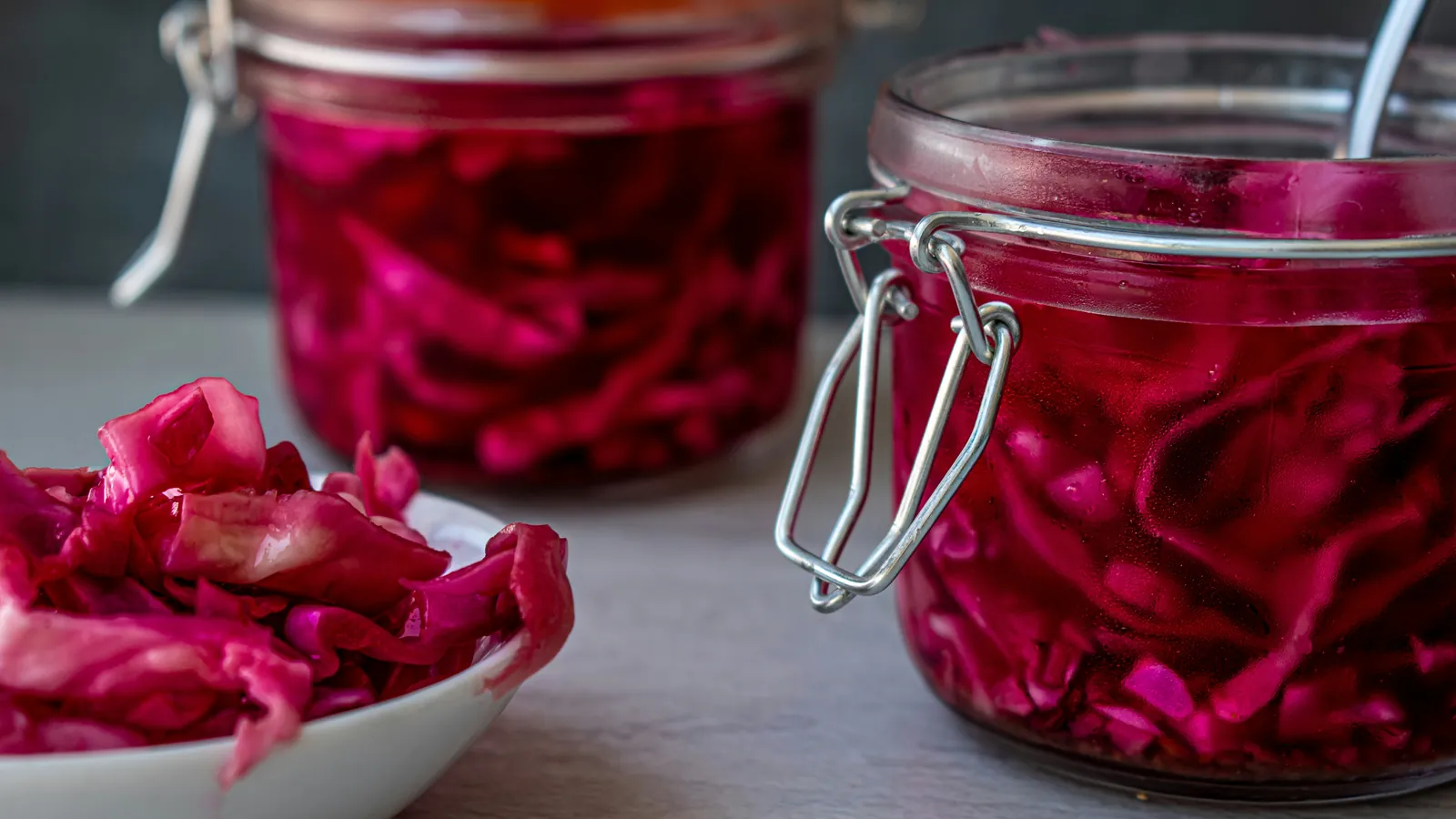
Sauerkraut (zuurkool) is shredded white cabbage mixed with salt and packed tightly, so the cabbage releases its own liquid and lactic acid bacteria ferment it over several weeks. Nothing else is needed, though makers often add caraway, juniper or other vegetables. Small makers in the Field Guide make their own ferments and sell them direct or at markets. Ferments, bone broth and traditional fats.
Some small Dutch fermenters make kimchi, the Korean ferment of napa cabbage with chilli, garlic and ginger, and sell it at markets, from a webshop or through shops. Traditional kimchi often contains fish sauce or salted shrimp, so check the label if you eat no fish. Our traditional foods page lists makers who produce their own ferments, with how and where to buy.
Kombucha is sweetened tea fermented with a culture of bacteria and yeast (a SCOBY), and the yeast makes a little alcohol as it ferments. Under Dutch law, a drink with no more than 0.5% alcohol isn't an alcoholic drink. Makers in the Field Guide brew their own kombucha; ask the maker for the alcohol content if it matters to you. Kombucha and ferments.
Bone broth (bottenbouillon) is made by simmering bones, often beef marrow bones, knuckles or chicken carcasses and feet, in water for many hours, usually with vegetables and herbs. It is simmered much longer than ordinary stock, and a well-made broth sets to a jelly when cold. In the Field Guide, bone broth is included when its bones come from animals that meet our meat criteria. Our criteria.
From the farms and butchers that sell their own meat: marrow bones (mergpijpen), soup bones, knuckles, chicken carcasses and feet, usually frozen and often cheap because few people ask. Bones from grazing animals are on our meat page, where the bones and organ meats filter shows the farms that list them, and this page has the makers who sell ready-made broth. Ask ahead: bones sell out, and many farms keep them for customers who order.
Nose-to-tail eating means using the whole animal, not just the steaks: liver, heart, kidney, tongue, bones, fat and skin. Dutch farms that sell their own meat often have these, because a whole carcass comes back from the slaughterhouse and the cuts have to go somewhere, which is also why a meat box (vleespakket) is a nose-to-tail buy by design. On our meat page the bones and organ meats filter shows farms that list them, and the farm will usually set aside what you ask for.
Bone broth is sold by small makers, frozen or in jars, from webshops and at markets, and by some farms and butchers that make it from their own animals' bones. We include a maker only when the bones come from named farms or the maker's own animals that meet our meat criteria. Use the delivers filter for makers who send it to your door.
Lard (reuzel) is rendered pork fat. Tallow is rendered beef or lamb fat, and ossewit is the traditional Dutch name for rendered beef fat, used for frying and baking. Rendering (uitsmelten) means melting the raw fat slowly and straining it, and the firm fat around the kidneys is called niervet (suet). Lard and tallow are included when they come from animals that meet our meat criteria. Traditional fats.
Farms that sell their own beef, lamb or pork sometimes sell rendered fat, or raw fat to render at home, and some small makers render fat from named farms. Grass-fed is the farm's own description, so check what the animals ate on the farm's listing. Lard and tallow appear on our traditional foods page when they come from animals that meet our meat criteria, which means grazing or outdoor access.
Milk kefir is milk fermented with kefir grains, small clusters of bacteria and yeast, which makes a sour, slightly fizzy drink. Water kefir uses different grains in sugared water, often flavoured with fruit, and contains no milk. Both are included in the Field Guide when a small producer makes them and sells direct or at markets. Ferments, bone broth and traditional fats.
No. The Field Guide lists places where you can buy food to take home and cook with, so cafés, caterers and makers that only run workshops aren't included. A fermenter that sells its own sauerkraut, kombucha or kefir direct or at markets is included, and if it also runs workshops the listing can say so. What we don't list.
Yes, some small Dutch fermenters use certified organic cabbage, tea or sugar and hold their own organic certificate. A maker that sells its products as biologisch needs a certificate of its own, even when the cabbage comes from an organic farm. We check each maker's certificate in the EU organic register, and the certified organic filter shows makers with one.
For ferments, kombucha and kefir, we check that a small producer makes them and sells direct or at markets. For bone broth, lard and tallow, we check that the bones and fat come from the maker's own animals or named farms, and that those animals meet our meat criteria. Products from animals below those criteria, or of unknown origin, aren't included. Full criteria per product.