 The Field Guideby Moss & MarrowThe Field Guideby Moss & Marrow
Voedselbossen en tuinen: de Nederlandse pagina met alle plekken per provincie →
This page is The Field Guide's list of food forests, city gardens and community pick gardens in the Netherlands, each one checked by us and grouped by province. These are places you can visit to pick, help grow or share food: some sell what they grow, some share it with volunteers or give it away. Farms where members pay ahead for a share of the harvest, including Herenboeren farms, are on the CSAs and co-ops page. Advisory bodies and research projects without food for the public aren't included. Food forests, agroforestry and permaculture count towards the extra-mile mark (what's this?).
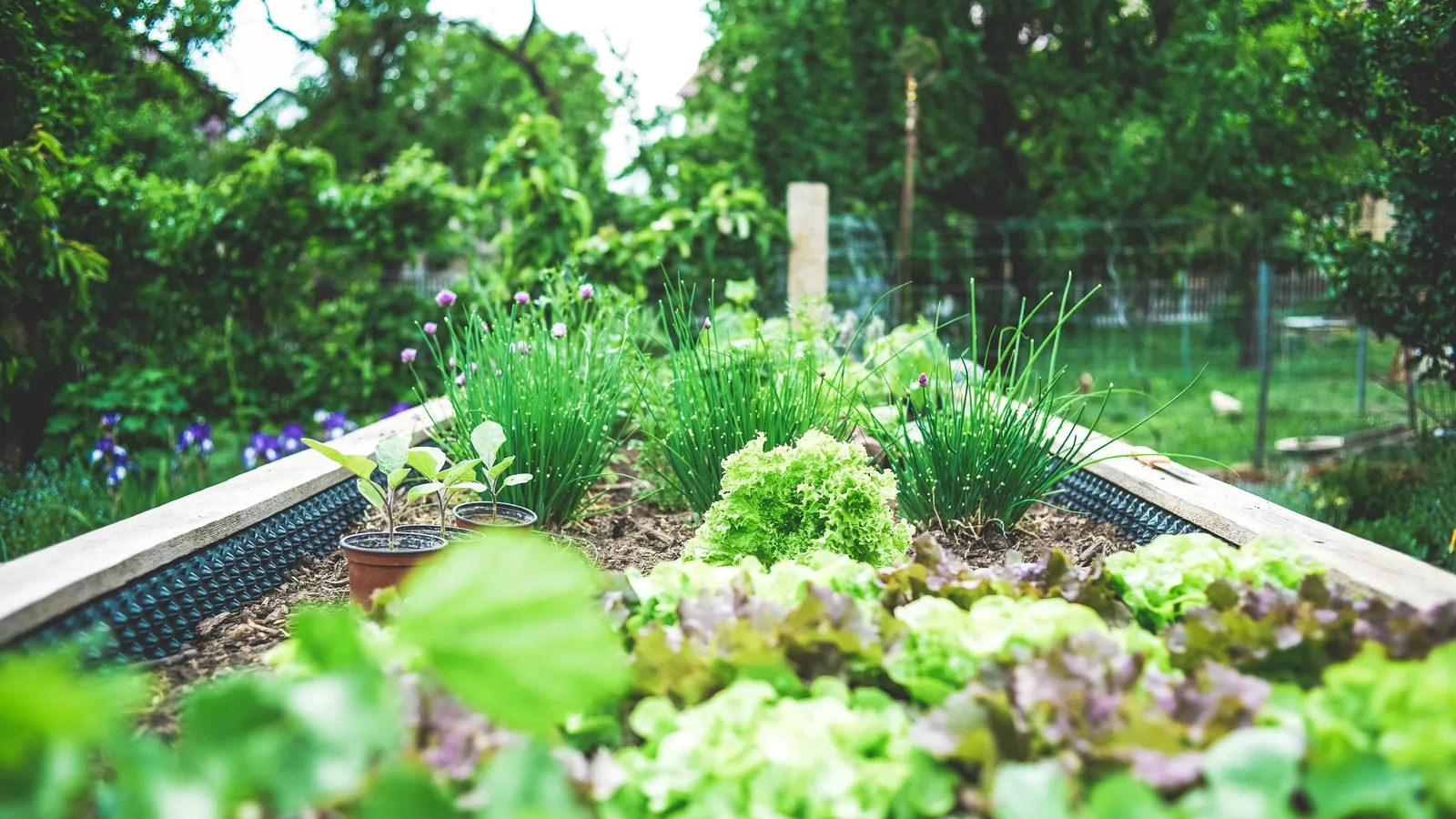
A food forest is planted in layers, from tall nut and fruit trees down to shrubs, perennial vegetables and herbs, so once it is established it needs no ploughing and little digging.
25 producers · every one checked against our inclusion criteria
Open on the map →25 producers across 4 provinces, most of them in Utrecht (11), Gelderland (7) and Noord-Holland (4). Each entry opens the producer's own page with what we checked, when we checked it, opening hours and how to buy; the names are listed by province, town by town, and the map lets you search the same list by postcode.
visited by moss & marrowFood forest · EdeVeg & fruitvisited by moss & marrowFood forest · WageningenVeg & fruitA voedselbos (food forest) is land planted with layers of mainly perennial plants, from tall nut and fruit trees to shrubs, climbers, herbs and ground cover, modelled on the edge of a natural forest. Once established it is not ploughed, and it produces nuts, fruit, berries, leaves and herbs. Food forests that sell or share food with members or the public are on our food forests and gardens page.
Some Dutch food forests hold open days, tours or volunteer days, and some sell their harvest at the gate or share it with members. Many others are private land or still young and not open to visitors. Each listing on our food forests and gardens page says how you can take part where the food forest publishes it, so check that before you go.
A community garden is a garden run with or for the people around it, usually by volunteers or a foundation. In the Netherlands this includes city gardens (stadstuinen), neighbourhood farms (buurtboerderijen) and community pick gardens. Some sell what they grow at a stall or garden shop, some let volunteers take produce home, and some ask a small contribution for what you pick. Farms where members pay ahead for a share of the harvest, including Herenboeren, are on our CSAs and co-ops page.
Many food forests and community gardens work with volunteers, usually on set mornings or days each week, doing jobs such as sowing, weeding, harvesting or planting trees. No experience is usually needed, and some ask volunteers to become members first. Contact the place through its own website, which each listing on our food forests and gardens page links to.
Food forests, city gardens, neighbourhood farms and community pick gardens are included when they sell food to the public or share it with volunteers or the public. Their food is assessed like any other: fruit and vegetables grown without synthetic pesticides or fertiliser, and animals that graze or have outdoor access. CSAs and Herenboeren farms, where members pay ahead for a harvest share, are on our CSAs and co-ops page. Advisory bodies and research projects without food for the public aren't included. Criteria for food forests and gardens.
Some food forests and community gardens in the Netherlands are certified organic or Demeter, and many others farm without synthetic pesticides or fertiliser but have no certificate. If it matters to you, ask the garden how it grows its food. We check every organic claim in the EU organic register and Demeter's register, and show uncertified farms as "organic methods, not certified" with their own statement quoted. The certified organic filter shows only those found in the register.
Some food forests and community gardens share food for free, for example through a sharing cabinet or open harvest days, but most sell their harvest or share it with volunteers and members. The Field Guide marks each place as buy for places that sell, join for membership, or share for food given away free, and each listing on our food forests and gardens page says which applies.